لطفا منتظر بمانید ...
0% Complete
English
☰
صفحه اصلی
کنفرانسهای فعال
مدیریت منابع انسانی پایدار
حسابداری
بازاریابی و برندینگ در عصر هوش مصنوعی
هوش مصنوعی:نوآوری، کسبوکار و آموزش
ارشیو کنفرانسها
اولین کنفرانس ملی هوش مصنوعی
دومین کنفرانس ملی هوش مصنوعی
اولین کنگره ملی حسابداری، مالی و مالیاتی
32کنفرانس بین المللی زیست پزشکی
راهنمای شرکت
نحوه ثبتنام
ثبت نام مدیریت منابع انسانی پایدار
ثبت نام دومین کنگره ملی حسابداری
ثبت نام سومین کنفرانس ملی هوش مصنوعی
ثیت نام بازاریابی و برندینگ در عصر هوش مصنوعی
ثبت نام زنجیره ارزش نفت گاز و پتروشیمی
ارسال مقاله
فرمت مقالات مدیریت منابع انسانی پایدار
فرمت مقالات سیستم های هوشمند حسابداری
فرمت مقالات ملی بازاریابی و برندینگ در عصر هوش مصنوعی
فرمت مقالات سومین کنفرانس هوش مصنوعی
سوالات متداول
اخبار و رویدادها
درباره ما
تماس با ما
صفحه اصلی
/
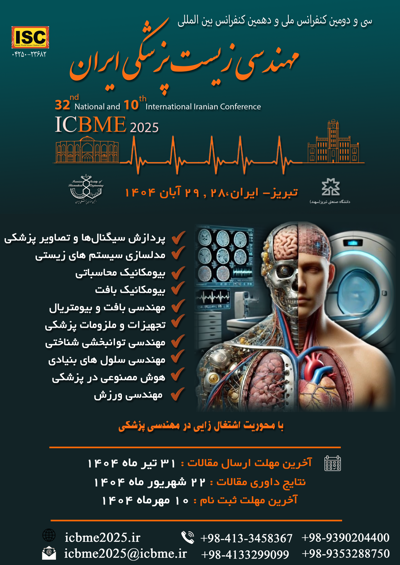
سی و دومین کنفرانس ملی و دهمین کنفرانس بین المللی مهندسی زیست پزشکی ایران
Deep Learning and Fuzzy Entropy in Parkinson's Diagnosis: a Framework Based on Task-Based EEG Signals
نویسندگان :
Amir Hossein Tajarrod
1
Tania Hossein Khani
2
َAsghar Zarei
3
Mousa Shamsi
4
1- دانشکده مهندسی پزشکی، دانشگاه صنعتی سهند، تبریز، ایران
2- دانشکده مهندسی پزشکی، دانشگاه صنعتی سهند، تبریز، ایران
3- دانشکده مهندسی پزشکی، دانشگاه صنعتی سهند، تبریز، ایران
4- دانشکده مهندسی پزشکی، دانشگاه صنعتی سهند، تبریز، ایران
کلمات کلیدی :
Deep learning،Parkinson’s disease،EEG،Fuzzy entropy،LSTMFCN
چکیده :
Parkinson's disease (PD) is the second most common neurodegenerative disorder worldwide, characterized by reduced dopamine levels in the central nervous system. Electroencephalography (EEG) signals have emerged as a promising tool for diagnosing PD due to their non-invasive nature, low cost, and high temporal resolution. This paper proposes a framework for diagnosing PD in healthy individuals. The proposed framework involves the extraction of fuzzy entropy from sub-bands of wavelets, combined with deep learning networks to classify EEG signals obtained under an auditory oddball paradigm. The deep learning networks used in this study include the EEG Network (EEGNet), Residual Networks within EEG (ResNetEEG), EEG Transformer, and Long Short-Term Memory Fully Convolutional Network (LSTMFCN). Four classification scenarios were explored: healthy control (CTRL) vs. PD patients off medication (PD-OFF), CTRL vs. PD patients on medication (PD-ON), PD-ON vs. PD-OFF, and a multi-class. The results indicated that the ResNetEEG network achieved the best average accuracy of 99.78% for the CTRL vs. PD-OFF classification. In contrast, the LSTMFCN network demonstrated optimal performance for the other classifications, with average accuracies of 99.81% for CTRL vs. PD-ON, 99.38% for PD-ON vs. PD-OFF, and 99.85% for the multi-class scenario. Both the EEGNet and EEG Transformer networks also showed comparable performance. Even the ROC curves for these networks showed AUC values of 1.0, further confirming the effectiveness of the implemented networks. These results emphasize the significant potential of utilizing EEG-derived features and deep learning techniques for the accurate detection of PD across various clinical scenarios.
لیست مقالات
لیست مقالات بایگانی شده
A vortex-promoting cross-junction microchannel for efficient hydroporation in immunotherapy applications
Soheil Mahdavi - Zohre Nazemi Dehkordi - Ali Abouei Mehrizi
هوش مصنوعی و مدیریت مالی و سرمایه
محمد ملکی
بررسی تأثیر ریسک اطلاعات مالی و بندهای تعدیلی حسابرسی بر وجوه هیئتمدیره مشترک در شرکتهای پذیرفته شده در بورس اوراق بهادار تهران
حمیدرضا عزیزی - عرفان تخستین حلم
بررسی رابطه سیاست های تامین مالی شرکت و عملکرد شرکت بر افشای ریسک در شرکتهای پذیرفته شده در بورس اوراق بهادار تهران
بهاره فضلی
بررسی روش های تشخیص فیشینگ با استفاده از یادگیری ماشین
حامد منکرسی - غلامرضا احمدی
تاثیر هوش مصنوعی بر عملکرد شرکت با میانجیگری چابکی مشتری و ظرفیت جذب و تعدیلگری چابکی سازمان شرکت عامر اندیش هوشمند
مریم مقرب صمدی
مروری در زمینه کاربرد شبکه عصبی در بهداشت، ایمنی و محیطزیست (HSE)
هاجرسادات علی زاده مقدم
پیشبینی وضعیت ترافیک با استفاده از الگوریتم KNN یک مطالعه موردیبر اساس دادههای دوماهه ترافیک
متین نهاوندی
بازنگری الگوریتمهای کشف گرههای فعال در شبکههای اجتماعی
مجید عبدالرزاق نژاد - مهدی خرد - محمدامیر جمالی
بررسی اثرات تعامل و همکاری بین مدیران مالی ارشد شرکتها و مؤسسات حسابرسی بر کیفیت حسابرسی
موسی انصاری - محمد فرهادی مهر
بیشتر
19 اردیبهشت 1405
راهنمای انتخاب کنفرانس معتبر برای چاپ مقاله علمی
19 اردیبهشت 1405
چرا شرکت در کنفرانسهای علمی برای مصاحبه دکتری اهمیت دارد؟
21 اردیبهشت 1405
پذیرش سریع مقاله در کنفرانسهای علمی مهندسی و فناوری آغاز شد
21 اردیبهشت 1405
آغاز ثبتنام در همایشهای بینالمللی مدیریت و حسابداری
ثمین همایش، سامانه مدیریت کنفرانس ها و جشنواره ها - نگارش 44.7.0