لطفا منتظر بمانید ...
0% Complete
English
☰
صفحه اصلی
کنفرانسهای فعال
مدیریت منابع انسانی پایدار
حسابداری
بازاریابی و برندینگ در عصر هوش مصنوعی
هوش مصنوعی:نوآوری، کسبوکار و آموزش
ارشیو کنفرانسها
اولین کنفرانس ملی هوش مصنوعی
دومین کنفرانس ملی هوش مصنوعی
اولین کنگره ملی حسابداری، مالی و مالیاتی
32کنفرانس بین المللی زیست پزشکی
راهنمای شرکت
نحوه ثبتنام
ثبت نام مدیریت منابع انسانی پایدار
ثبت نام دومین کنگره ملی حسابداری
ثبت نام سومین کنفرانس ملی هوش مصنوعی
ثیت نام بازاریابی و برندینگ در عصر هوش مصنوعی
ثبت نام زنجیره ارزش نفت گاز و پتروشیمی
ارسال مقاله
فرمت مقالات مدیریت منابع انسانی پایدار
فرمت مقالات سیستم های هوشمند حسابداری
فرمت مقالات ملی بازاریابی و برندینگ در عصر هوش مصنوعی
فرمت مقالات سومین کنفرانس هوش مصنوعی
سوالات متداول
اخبار و رویدادها
درباره ما
تماس با ما
صفحه اصلی
/
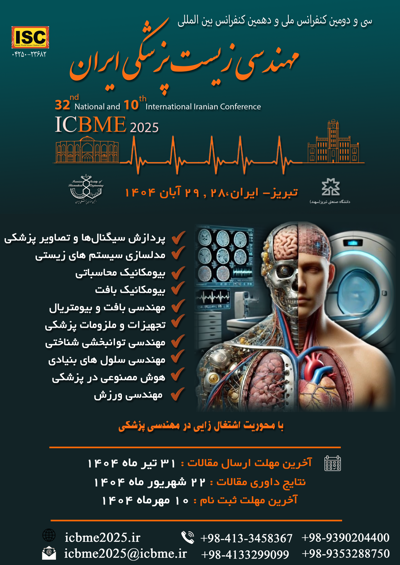
سی و دومین کنفرانس ملی و دهمین کنفرانس بین المللی مهندسی زیست پزشکی ایران
Dynamic Connectivity Reveals Transformative Power of Neurofeedback in Brain Functional Networks
نویسندگان :
Kasra Momeni
1
Gholam- Ali Hossein-Zadeh
2
1- دانشگاه تهران
2- دانشگاه تهران
کلمات کلیدی :
ICA،brain networks،dFNC،reality monitoring،neurofeedback
چکیده :
The unknown procedure of neurofeedback interaction on brain networks is a critical drawback of this method. In this study, a dynamic functional connectivity (dFC) framework, using spatially constrained independent component analysis, was used to capture transient changes of brain networks due to reality monitoring neurofeedback. As a result of applying the analysis on fMRI data, four recurring connectivity states involving the default mode (DMN), cognitive control (CC), and sensorimotor (SM) networks were identified. After training, participants showed a significant increase (p<0.05) in time spent in a DMN-integrated state (State 2/Cluster 2), occurring 37% of the time and marked by strong within-DMN coupling, reflecting enhanced internal processing. Conversely, dwell time decreased (p<0.05) in a CC–SM dominated state (State 1/Cluster 1), suggesting reduced reliance on externally driven control or sensorimotor interactions. Transition analyses supported these effects, with increased shifts toward the DMN-integrated state (from 1.5% to 4.5%) and fewer transitions to Cluster 1 (from 1.8% to 0.2%). Overall, this dFC framework effectively captured neurofeedback-induced reorganization, offering a promising tool for optimizing interventions. Its ability to detect subtle, time-varying network changes highlights its potential clinical utility for monitoring and personalizing treatments in some brain disorders.
لیست مقالات
لیست مقالات بایگانی شده
تبیین عوامل مؤثر بازاریابی محتوای دیجیتال و هوش مصنوعی بر روابط شرکتها با برندها
حسین بوذری
مروری بر کاربردهای هوش مصنوعی درصنعت
امیرپاشا گرگان نژاد - لاریسا خدادادی
Effects of Athletic Status on Plantar Pressure Distribution and Biomechanical Foot Health in Children and Adolescents
Amin Partovi fard - Mahmoodreza Azghani - Sadra Jalalli - Elham Hazrati - Samin Asghari
ارتباط بین رفتار سرمایه گذاری و خطر سقوط قیمت سهام
بیتا دلنواز اصغری - لیلا محمدی - بهنام رنجبرالوار - مهدی پورعلی
تاثیر کوته بینی مدیریتی بر عملکرد پایداری شرکت با تاکید بر هزینه های نمایندگی
رعنا شهدآور - مهدی پورعلی
طراحی و توسعه دستیار هوشمند مشاوره پزشکان در دانشگاه علوم پزشکی همدان
حبیب اله تحسینی - جواد کشوری کامران
عوامل موثر بر یکپارچه سازی سیستم مالی شرکت ها: مرور و تحلیل مبانی نظری و ادبیات علمی
محمدرضا مهربان پور - سپیده رهبر
تأثیرات و اخلاقیات استفاده از هوش مصنوعی: شواهدی از هند
رعنا شهدآور - ثریا قربانپور کولانی جدید - فاطمه حضرتی پور
نقش حاکمیت شرکتی و شهرت در افشا مسولیت اجتماعی شرکت و عملکرد شرکت
رسول عبدی - سعید فردوسی
مفاهیم حسابداری مدیریت راهبردی در شرکتها، مزایا، معایب و راهکارها
علی نمازیان - علی محمدی
بیشتر
19 اردیبهشت 1405
راهنمای انتخاب کنفرانس معتبر برای چاپ مقاله علمی
19 اردیبهشت 1405
چرا شرکت در کنفرانسهای علمی برای مصاحبه دکتری اهمیت دارد؟
21 اردیبهشت 1405
پذیرش سریع مقاله در کنفرانسهای علمی مهندسی و فناوری آغاز شد
21 اردیبهشت 1405
آغاز ثبتنام در همایشهای بینالمللی مدیریت و حسابداری
ثمین همایش، سامانه مدیریت کنفرانس ها و جشنواره ها - نگارش 44.7.0