لطفا منتظر بمانید ...
0% Complete
English
☰
صفحه اصلی
کنفرانسهای فعال
مدیریت منابع انسانی پایدار
حسابداری
بازاریابی و برندینگ در عصر هوش مصنوعی
هوش مصنوعی:نوآوری، کسبوکار و آموزش
ارشیو کنفرانسها
اولین کنفرانس ملی هوش مصنوعی
دومین کنفرانس ملی هوش مصنوعی
اولین کنگره ملی حسابداری، مالی و مالیاتی
32کنفرانس بین المللی زیست پزشکی
راهنمای شرکت
نحوه ثبتنام
ثبت نام مدیریت منابع انسانی پایدار
ثبت نام دومین کنگره ملی حسابداری
ثبت نام سومین کنفرانس ملی هوش مصنوعی
ثیت نام بازاریابی و برندینگ در عصر هوش مصنوعی
ثبت نام زنجیره ارزش نفت گاز و پتروشیمی
ارسال مقاله
فرمت مقالات مدیریت منابع انسانی پایدار
فرمت مقالات سیستم های هوشمند حسابداری
فرمت مقالات ملی بازاریابی و برندینگ در عصر هوش مصنوعی
فرمت مقالات سومین کنفرانس هوش مصنوعی
سوالات متداول
اخبار و رویدادها
درباره ما
تماس با ما
صفحه اصلی
/
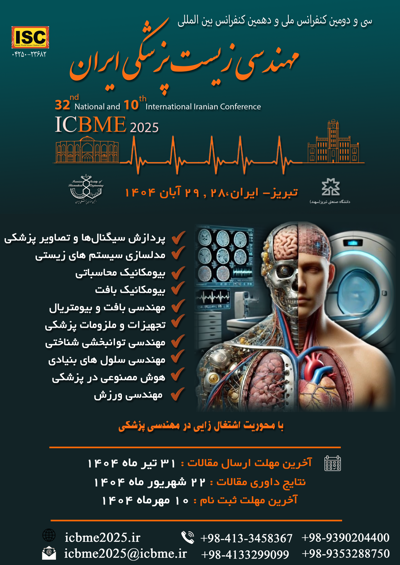
سی و دومین کنفرانس ملی و دهمین کنفرانس بین المللی مهندسی زیست پزشکی ایران
Excessive and Variable Center of Mass Motion Characterizes Gait Instability In Women with Obese Knee Osteoarthritis
نویسندگان :
Diba Chegini
1
Behzad Yasrebi
2
Siamak Haghipour
3
Farhad Farhad Tabatabai Ghomsheh
4
Aliakbar Pahlevanian
5
1- ازاد تبریز
2- ازاد تبریز
3- ازاد تبریز
4- دانشگاه علوم توانبخشی و سلامت اجتماعی
5- دانشگاه توانبخشی سمنان
کلمات کلیدی :
Gait Analysis،Knee Osteoarthritis،Obesity،Center of Mass،Postural Balance،Stability،Biomechanics
چکیده :
Abstract—Background: Elderly women with obese knee osteoarthritis (KOA) represent a population at high risk for impaired balance and falls. Quantifying the dynamic stability of their gait is crucial for understanding this risk and developing targeted interventions. Objective: This study aimed to compare gait stability and balance between healthy young women and elderly women with obese KOA through a comprehensive analysis of center of mass (COM) kinematics. Methods: Forty elderly women with obese KOA (70±4 yrs, 98.8±7.3 kg, 158.6±7.8 cm) and twenty healthy young women (29±5 yrs, 61.2±6.4 kg, 159.5±6.7 cm) underwent 3D gait analysis. A subject-specific OpenSim model was used to compute the COM trajectory for each participant. Key stability metrics—including path, range of motion (ROM), maximum displacement, standard deviation, and their velocity counterparts in the anteroposterior (AP), mediolateral (ML), and vertical (SI) directions—were calculated and normalized to body height. Results: The obese KOA group demonstrated significantly impaired stability across all COM metrics. Specifically, they exhibited a larger COM path, greater ROM, and increased maximum displacement (p<0.05), with the most pronounced differences observed in the ML direction. Furthermore, the obese KOA group showed significantly higher variability, evidenced by greater standard deviation of both COM position and velocity (p<0.05), indicating a less consistent and more unstable gait pattern. Conclusion: Elderly women with obese knee osteoarthritis walk with a gait pattern characterized by excessive and poorly controlled motion of the center of mass, particularly in the mediolateral direction. These objective biomechanical findings highlight a significant deficit in dynamic stability, which likely contributes to a heightened fall risk in this population. Rehabilitation strategies should focus on improving mediolateral balance control to mitigate this risk. Keywords-component; Gait Analysis; Knee Osteoarthritis; Obesity; Center of Mass; Postural Balance; Stability; Biomechanics
لیست مقالات
لیست مقالات بایگانی شده
A Telemedicine Approach to Therapist-Free VR Exposure Therapy for Acrophobia: A pilot study
Arya Gholipoor Hanizi - Samaneh Minakhani - Poorya Gholipoor
تاثیر استفاده از هوش مصنوعی بر فرآیند مدیریت مشتری(CRM) و رشد کسب و کار در صنعت بیمه
مسعود سبزچی دهخوارقانی - میترا زابلی پیله رود
Automated Kinematic Analysis of Barbell Curl Using Custom IMU and Deep Learning Techniques
Mohammad Khalfe Nilsaz - Elham Shirzad - Ali Fahim
تأثیر فعالیت های بازاریابی تجربی بر تجربه مشتری در متاورس: نقش واسطه ای سهولت درک شده و سودمندی درک شده و تأثیر آن بر عشق به برند
آیسان خضرلو - سید جعفر زنوزی
بررسی و تحلیل محتوای تغییرات حسابداری در بستر بلاکچین
زهرا شیخی - سپیده زارع خورمیزی
Comparative Numerical Analysis of Spiral Geometries for Passive Particle Separation in Microfluidic Devices
Yunes Chakeralhoseini - Mohammad Mahdi Tekiyeh - Mahdi Moghimi Zand
Vibration-Based Assessment of Dental Implants: A Finite Element Study on Bone Quality and Boundary Conditions
Fatima Wayzani - Mohammadjavad (Matin) Einafshar - Ata Hashemi
فناوری اطلاعات و ارتباطات و آموزش حسابداری
عبدالحسین علی پور - رسول ناصرحجتی رودسری - نسیم دانش
مروری بر روشهای هوشمند تشخیص نفوذ در اینترنت اشیاء با تأکید بر یادگیری ماشین و الگوریتمهای بهینهسازی
رضا کهن - حمید براتی - علی براتی
Alterations in Muscle Coordination During Different Gait Phases Following Knee Injury
Shaghayegh Hassanzadeh Khanmiri - Alireza Hashemi Oskouei - Peyvand Ghaderyan
بیشتر
19 اردیبهشت 1405
راهنمای انتخاب کنفرانس معتبر برای چاپ مقاله علمی
19 اردیبهشت 1405
چرا شرکت در کنفرانسهای علمی برای مصاحبه دکتری اهمیت دارد؟
21 اردیبهشت 1405
پذیرش سریع مقاله در کنفرانسهای علمی مهندسی و فناوری آغاز شد
21 اردیبهشت 1405
آغاز ثبتنام در همایشهای بینالمللی مدیریت و حسابداری
ثمین همایش، سامانه مدیریت کنفرانس ها و جشنواره ها - نگارش 44.7.0