لطفا منتظر بمانید ...
0% Complete
English
☰
صفحه اصلی
کنفرانسهای فعال
مدیریت منابع انسانی پایدار
حسابداری
بازاریابی و برندینگ در عصر هوش مصنوعی
هوش مصنوعی:نوآوری، کسبوکار و آموزش
ارشیو کنفرانسها
اولین کنفرانس ملی هوش مصنوعی
دومین کنفرانس ملی هوش مصنوعی
اولین کنگره ملی حسابداری، مالی و مالیاتی
32کنفرانس بین المللی زیست پزشکی
راهنمای شرکت
نحوه ثبتنام
ثبت نام مدیریت منابع انسانی پایدار
ثبت نام دومین کنگره ملی حسابداری
ثبت نام سومین کنفرانس ملی هوش مصنوعی
ثیت نام بازاریابی و برندینگ در عصر هوش مصنوعی
ثبت نام زنجیره ارزش نفت گاز و پتروشیمی
ارسال مقاله
فرمت مقالات مدیریت منابع انسانی پایدار
فرمت مقالات سیستم های هوشمند حسابداری
فرمت مقالات ملی بازاریابی و برندینگ در عصر هوش مصنوعی
فرمت مقالات سومین کنفرانس هوش مصنوعی
سوالات متداول
اخبار و رویدادها
درباره ما
تماس با ما
صفحه اصلی
/
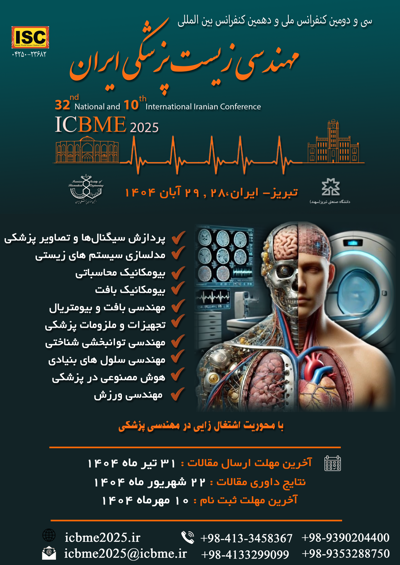
سی و دومین کنفرانس ملی و دهمین کنفرانس بین المللی مهندسی زیست پزشکی ایران
The Influence of Insertion-Induced Prestress and Viscoelastic Properties in Fixational Stability of Pedicle Screws in UHWMPE block: A Finite Element Study
نویسندگان :
Ahmad Babazadeh Gh
1
Mohammadjavad (Matin) Einafshar
2
Ata Hashemi
3
1- Amirkabir University of Technology
2- Aalborg University, Denmark
3- Amirkabir University of Technology
کلمات کلیدی :
Finite element analysis،Natural frequency،Modal analysis،Pedicle screw،UHMWPE،Viscoelasticity،Prestress،Prony series
چکیده :
Pedicle screws are critical components in spinal fixation systems, and the stiffness of the screw-bone interaction plays a crucial role in implant success. There are various ways to investigate screw-bone bonding strength, one of which is vibration-based diagnosis of screw-bone structure. While finite element modeling can reduce the time and give the ability to model different geometries and other conditions, properly modeling the vibration behavior of the screw inside bone comes with difficulties. This study investigates the influence of insertion-induced prestress and the viscoelastic properties of ultra-high molecular weight polyethylene (UHMWPE) bone-analog material on the natural frequency of a pedicle screw–block assembly using finite element analysis (FEA). Three models were developed: Model I (linear elastic without prestress), Model II (linear elastic with prestress), and Model III (viscoelastic without prestress). A 3D geometry of the screw and UHMWPE block was constructed, and frequency analysis was performed at three insertion depths (10 mm, 20 mm, and 30 mm). Simulation results were compared with previously published experimental data. Model I underestimated the natural frequency at all depths around 14-30%, while Model II, accounting for screw insertion-induced radial prestress, improved prediction accuracy, reducing errors down to under 18%. Model III, which captured UHMWPE's viscoelastic behavior using a Prony series, showed the closest agreement with experimental data, with errors under 7%. The results highlight the importance of modeling both viscoelasticity and insertion-related prestress to accurately predict dynamic behavior. These findings are useful for improving finite element modeling of modal analysis methods to investigate screw stability in spinal implants.
لیست مقالات
لیست مقالات بایگانی شده
هیدروژلهای نانوکامپوزیتی تقویتشده با نانوالیاف آرامید عاملدار شده: راهبردی نوآورانه در راستای گسترش ساختارهای پیشرفته مورد استفاده در پزشکی بازساختی
فرهاد اسمعیل زاده - شهره مشایخان - اکبر شجاعی
پردازش پیشرفته تصاویر برای شناسایی نوع سلول خونی: قطعهبندی، استخراج ویژگی و مدل گراف بر پایه نمونه گیری و تجمیع
حوریا خرمکی - سید مهدی صالحی - مهدیه قاسمی
Induced Pluripotent Stem Cells -Derived Dopaminergic Neuron Transplantation for Parkinson’s Disease
Atena Parsaeian - Peyvand Naserisalehabad - Najmeh Najmoddin
Implementation of advanced machine learning on synthetic data for estimation of SOH and degradation of lithium ion batteries.
Abolfazl Moghaddam - Shadi Habibi - Behnam Ghalami Choobar
Synthesis and Swelling Behavior of pH-Sensitive Chitosan/Polyvinylpyrrolidone Hydrogels for Drug Delivery Applications
Shaghayegh Zameni Nir - Hanieh Shokrkar - Niloofar Nasirpour
تاثیر قدرت مدیر عامل بر کیفیت گزارشگری مالی
یعقوب پور کریم - میلاد حبیب اللهی - ابوالفضل بخشی قیسناب
Emotion Recognition from EEG signal using GA-FLANN with Whale Optimization Algorithm
Mohammadamir Razmi - Pouya Faridfar - Seyed Amirreza Navali Hosseini alavi
توسعه پیشرفته بازیهای ویدیویی با بهرهگیری از هوش مصنوعی و مدلهای زبانی بزرگ: از چارچوبهای چندعاملی تا بصریسازی هوشمند
سجاد یوسفی - مریم پورنجف - نیلوفر منفردنژاد
بررسی تاثیر ورشکستگی بر رابطه بین استراتژیهای تجاری و معیارهای عملکرد شرکت (ESG)
جواد پورغفار - ایوب یغمائی علیشاه
Adaptive neuro-fuzzy inference system (ANFIS) for prediction the gibbs energy of formation
Aboozar Khajeh
بیشتر
19 اردیبهشت 1405
راهنمای انتخاب کنفرانس معتبر برای چاپ مقاله علمی
19 اردیبهشت 1405
چرا شرکت در کنفرانسهای علمی برای مصاحبه دکتری اهمیت دارد؟
21 اردیبهشت 1405
پذیرش سریع مقاله در کنفرانسهای علمی مهندسی و فناوری آغاز شد
21 اردیبهشت 1405
آغاز ثبتنام در همایشهای بینالمللی مدیریت و حسابداری
ثمین همایش، سامانه مدیریت کنفرانس ها و جشنواره ها - نگارش 44.7.0