لطفا منتظر بمانید ...
0% Complete
English
☰
صفحه اصلی
کنفرانسهای فعال
مدیریت منابع انسانی پایدار
حسابداری
بازاریابی و برندینگ در عصر هوش مصنوعی
هوش مصنوعی:نوآوری، کسبوکار و آموزش
ارشیو کنفرانسها
اولین کنفرانس ملی هوش مصنوعی
دومین کنفرانس ملی هوش مصنوعی
اولین کنگره ملی حسابداری، مالی و مالیاتی
32کنفرانس بین المللی زیست پزشکی
راهنمای شرکت
نحوه ثبتنام
ثبت نام مدیریت منابع انسانی پایدار
ثبت نام دومین کنگره ملی حسابداری
ثبت نام سومین کنفرانس ملی هوش مصنوعی
ثیت نام بازاریابی و برندینگ در عصر هوش مصنوعی
ثبت نام زنجیره ارزش نفت گاز و پتروشیمی
ارسال مقاله
فرمت مقالات مدیریت منابع انسانی پایدار
فرمت مقالات سیستم های هوشمند حسابداری
فرمت مقالات ملی بازاریابی و برندینگ در عصر هوش مصنوعی
فرمت مقالات سومین کنفرانس هوش مصنوعی
سوالات متداول
اخبار و رویدادها
درباره ما
تماس با ما
صفحه اصلی
/
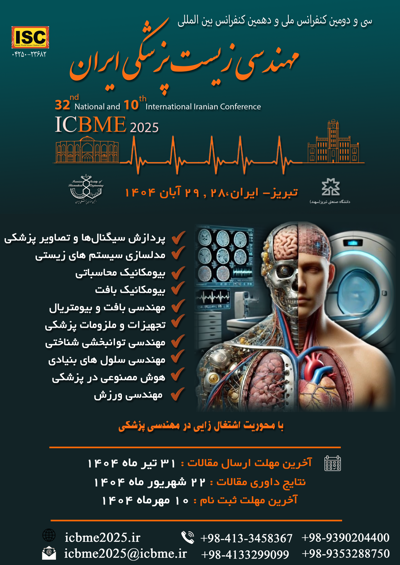
سی و دومین کنفرانس ملی و دهمین کنفرانس بین المللی مهندسی زیست پزشکی ایران
Development of an Explainable Random Forest-Based Algorithm for EEG-Based Sleep–Wake Classification Toward Sleep Apnea Detection
نویسندگان :
Pargol Sharifi
1
Mohammad Fakharzadeh
2
1- دانشگاه صنعتی شریف، تهران، ایران
2- دانشگاه صنعتی شریف، تهران، ایران
کلمات کلیدی :
Polysomnography،EEG signal،Sleep stage classification،Sleep apnea detection،Random Forest،Machine learning
چکیده :
Automatic sleep stage classification allows separating sleep stages without human experts. Many existing algorithms rely on multi-channel physiological signals such as EEG, EOG, and EMG. However, because of the complex equipment and required expertise, these methods usually need specialized laboratory settings. Therefore, developing a high-accuracy classification algorithm using a single signal remains a key challenge in sleep research, as it could enable portable devices and home-based sleep monitoring systems. Sleep stage classification is essential for detecting and managing sleep disorders such as sleep apnea. This study presents an optimized and clinically interpretable pipeline for sleep stage classification and apnea detection using EEG signals. The proposed approach is based on a simple, interpretable Random Forest framework and is intended to serve as a valuable tool for both clinical and research-oriented applications in sleep apnea detection. It integrates optimized preprocessing, data cleaning, algorithmic optimization, and class balancing to enhance accuracy and interpretability. Notably, our optimized Random Forest pipeline outperforms more complex deep-learning models, especially on 6-class sleep staging, sleep–wake discrimination and Apnea detection. The proposed method achieved accuracy, sensitivity, and specificity of 99.68%, 97.59%, and 99.30%, respectively, for distinguishing sleep from wakefulness, and 87.18%, 85.19%, and 89.16%, respectively, for apnea detection.
لیست مقالات
لیست مقالات بایگانی شده
Data Mining in the Age of Information Explosion: An Intelligent Analysis Tool for Social Media
Hossein Bodaghi Khajeh Noubar - Seyed Meead Hosseini - Shiva Mohammadi
طراحی سیستم تشخیص نفوذ مبتنی بر یادگیری فدراسیونی در شبکههای توزیعشده اینترنت اشیا
سیدکاظم سیدولیلو - امین بابازاده سنگر
تهدیدهای حریم خصوصی در شهرهای هوشمند
محمد امیری نسب - محمد عادلی نیا
Investigating the impact of arm swing on lower limb forces using machine learning techniques
Mohammad Reza Seidgar - Hadi Farahani - Mostafa Rostami - Elham Naziri - Sadegh Madadi
تحلیل تأثیر هوش مصنوعی بر وضعیت اقتصادی و تحولی در صنعت هنر
ری را صمدی راد - آرینا شهبازی - سیده فاطمه امامی - معصومه منصوری
نقش پردازش بلادرنگ کلاندادهها در مدیریت هوشمند شهرها و محیط زیست: راهکارها و چالشها
محمدامین محمدی - ابراهیم ابراهیمی - شکوه کرمانشاهانی
نقش هوش مصنوعی و اینترنت اشیا در ارتقاء بهداشت و سلامت
علیرضا پورهوشنگی - علی الماسی حشیانی
تاثیر هوش مصنوعی در مدیریت بحران زنجیره تامین
علیرضا فولاد - شایان مسگر - احمدرضا مسئله - حسین پورابراهیم گیل کلایه
Semi-Automatic Multi-Stage Artifact Removal in EEG During Subthreshold GVS: A Machine Learning Approach for Neuromodulation Studies
Mahdi Babaei - Sepideh Hajipour Sardouie - Martin Keung - Varsha Sreenivasan - Hanaa Diab - Maryam S. Mirian - Martin J. McKeown
مسئولیت پذیری اجتماعی شرکت : بررسی و ترکیب نظریه ها
رعنا شهدآور - علی دلجوان اکبری - محمد زکی لو
بیشتر
19 اردیبهشت 1405
راهنمای انتخاب کنفرانس معتبر برای چاپ مقاله علمی
19 اردیبهشت 1405
چرا شرکت در کنفرانسهای علمی برای مصاحبه دکتری اهمیت دارد؟
21 اردیبهشت 1405
پذیرش سریع مقاله در کنفرانسهای علمی مهندسی و فناوری آغاز شد
21 اردیبهشت 1405
آغاز ثبتنام در همایشهای بینالمللی مدیریت و حسابداری
ثمین همایش، سامانه مدیریت کنفرانس ها و جشنواره ها - نگارش 44.7.0