لطفا منتظر بمانید ...
0% Complete
English
☰
صفحه اصلی
کنفرانسهای فعال
مدیریت منابع انسانی پایدار
حسابداری
بازاریابی و برندینگ در عصر هوش مصنوعی
هوش مصنوعی:نوآوری، کسبوکار و آموزش
ارشیو کنفرانسها
اولین کنفرانس ملی هوش مصنوعی
دومین کنفرانس ملی هوش مصنوعی
اولین کنگره ملی حسابداری، مالی و مالیاتی
32کنفرانس بین المللی زیست پزشکی
راهنمای شرکت
نحوه ثبتنام
ثبت نام مدیریت منابع انسانی پایدار
ثبت نام دومین کنگره ملی حسابداری
ثبت نام سومین کنفرانس ملی هوش مصنوعی
ثیت نام بازاریابی و برندینگ در عصر هوش مصنوعی
ثبت نام زنجیره ارزش نفت گاز و پتروشیمی
ارسال مقاله
فرمت مقالات مدیریت منابع انسانی پایدار
فرمت مقالات سیستم های هوشمند حسابداری
فرمت مقالات ملی بازاریابی و برندینگ در عصر هوش مصنوعی
فرمت مقالات سومین کنفرانس هوش مصنوعی
سوالات متداول
اخبار و رویدادها
درباره ما
تماس با ما
صفحه اصلی
/
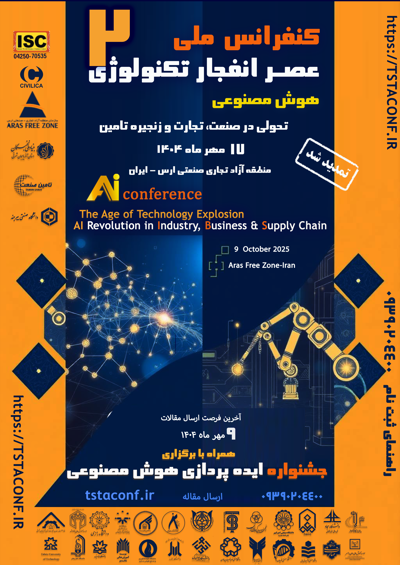
دومین کنفرانس ملی عصر انفجار تکنولوژی؛ هوش مصنوعی، تحولی در صنعت، تجارت و زنجیره تامین و دومین کنفرانس ملی علم داده در کاربردهای مهندسی
Recent Advances and Open Challenges in Explainable AI for Deep Learning-based Recommender Systems
نویسندگان :
Narjes Badpar
1
Azita Shirazipour
2
Seyed Javad Mirabedini
3
1- دانشگاه آزاد اسلامی واحد تهران مرکزی
2- دانشگاه آزاد اسلامی واحد تهران مرکزی
3- دانشگاه آزاد اسلامی واحد تهران مرکزی
کلمات کلیدی :
Recommender system (RS)،Deep learning (DL)،Explainable Artificial Intelligence (XAI)،Deep learning-based recommender systems (DL-RS)،Machine Learning (ML)
چکیده :
The implementation of deep learning (DL) techniques within recommender systems (RSs) has enhanced their precision and ability to handle large datasets. Nevertheless, this enhancement comes at a cost—a lack of transparency, which raises significant issues about the interpretability of the model. Here, we offer a review that aims to analyze the state-of-the-art AI explanations provided for deep learning-based recommender systems. The review classifies the methods and frameworks into two primary types of explainability: intrinsic and post-hoc. It also addresses different explanation strategies including graph-based, example-based, and text-based techniques. In addition, we describe the common deep learning architectures applied in recommender systems like CNNs, RNNs, GNNs, and Transformers, and discuss how these models interact with various techniques of explainability. Besides, our review reveals other important gaps, including the balance between accuracy and interpretability, limits on scalability, social issues like bias and opacity, or transparency—among other ethical issues. Lastly, it focuses on the designed user-centered, universal and ethically aligned methods of explainability which are tailored to the needs of users. The goal of these insights is to aid researchers and practitioners in developing more trustworthy and transparent recommender systems.
لیست مقالات
لیست مقالات بایگانی شده
Topology Optimization for Optimal Design of Human Tibial Fixation Plates toward Improving Biomechanical Compatibility
Aida Ahmadi - Taha Goudarzi
تاثیر ارتباطات سیاسی بر ارزش و عملکرد شرکت ها
رعنا شهدآور - علی بیرامی مرزرود
تحلیل بیومکانیکی موقعیت بهینه زاویه چرخش استابولوم پس از جراحی پریاستابولار استئوتومی گنز با مدلسازی سهبعدی و تحلیل المان محدود
سامرند نانوازاده - سروش مداح - سید محمود مدرسی
Analyzing Blood Glucose Levels with Near Infra-Red Spectroscopy and Chemometric Multivariate Methods
Hadi Barati - Arian Mousavi Madani - Soheil Moradi - Mohammad Mohsen Ebrahimi Seyghalan - Mehdi Fardmanesh
بررسی عوامل رویکرد مؤثرمالی در بازاریابی محتوای دیجیتال بر روابط شرکتها و نامهای, برند تجاری
حسین بوذری
بررسی جامع تکنیک های مستندسازی هوش مصنوعی در کسب و کار
سعید انور خطیبی
بررسی تاثیر سرمایه فکری بر رشد و ارزش شرکت با تاکید بر عملکرد مالی
یعقوب اقدم مزرعه - فائزه هاشم زاده اصل
کشف قوانین انجمنی با استفاده از الگوریتم ژنتیک در جهت افزایش دقت تشخیص بیماری تیروئید
نرمین قادر - فرهاد سلیمانیان قره چپق
هوش مصنوعی و آینده بشریت با رویکرد مالی و اقتصادی
مهدی زینالی - شبنم بالازاده قره باغی - مهدیه نامی بسیط
Effect of Aimlabs Software on Sustained Attention, Reaction Time, and Hand-Eye Coordination in Stroke Patients: A Preliminary Study
SEYEDALI BAGHERZADEH - Leyla Rastgar-Farajzadeh
بیشتر
19 اردیبهشت 1405
راهنمای انتخاب کنفرانس معتبر برای چاپ مقاله علمی
19 اردیبهشت 1405
چرا شرکت در کنفرانسهای علمی برای مصاحبه دکتری اهمیت دارد؟
21 اردیبهشت 1405
پذیرش سریع مقاله در کنفرانسهای علمی مهندسی و فناوری آغاز شد
21 اردیبهشت 1405
آغاز ثبتنام در همایشهای بینالمللی مدیریت و حسابداری
ثمین همایش، سامانه مدیریت کنفرانس ها و جشنواره ها - نگارش 44.7.0