لطفا منتظر بمانید ...
0% Complete
English
☰
صفحه اصلی
کنفرانسهای فعال
مدیریت منابع انسانی پایدار
حسابداری
بازاریابی و برندینگ در عصر هوش مصنوعی
هوش مصنوعی:نوآوری، کسبوکار و آموزش
ارشیو کنفرانسها
اولین کنفرانس ملی هوش مصنوعی
دومین کنفرانس ملی هوش مصنوعی
اولین کنگره ملی حسابداری، مالی و مالیاتی
32کنفرانس بین المللی زیست پزشکی
راهنمای شرکت
نحوه ثبتنام
ثبت نام مدیریت منابع انسانی پایدار
ثبت نام دومین کنگره ملی حسابداری
ثبت نام سومین کنفرانس ملی هوش مصنوعی
ثیت نام بازاریابی و برندینگ در عصر هوش مصنوعی
ثبت نام زنجیره ارزش نفت گاز و پتروشیمی
ارسال مقاله
فرمت مقالات مدیریت منابع انسانی پایدار
فرمت مقالات سیستم های هوشمند حسابداری
فرمت مقالات ملی بازاریابی و برندینگ در عصر هوش مصنوعی
فرمت مقالات سومین کنفرانس هوش مصنوعی
سوالات متداول
اخبار و رویدادها
درباره ما
تماس با ما
صفحه اصلی
/
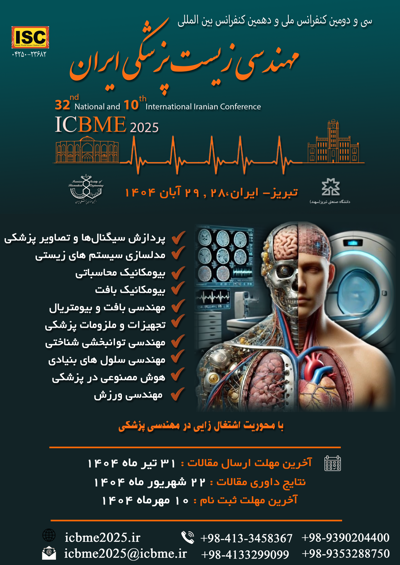
سی و دومین کنفرانس ملی و دهمین کنفرانس بین المللی مهندسی زیست پزشکی ایران
An Automatic Pipeline for Simultaneous EEG-fMRI Artifact-removal (SEFA)
نویسندگان :
Farid Hosseinzadeh
1
Amin Mohammad Mohammadi
2
Mehrdad Anvarifard
3
ُSasan Keshavarz
4
Elias Ebrahimzadeh
5
Hamid Soltanian-Zadeh
6
1- دانشگاه تهران
2- دانشگاه تهران
3- دانشگاه تهران
4- دانشگاه تهران
5- دانشگاه تهران
6- دانشگاه تهران
کلمات کلیدی :
Simultaneous EEG-fMRI،EEG،preprocessing،artifact removal،automation،pipeline،ٍَُّSEFA
چکیده :
Simultaneous EEG–fMRI provides complementary temporal and spatial information about brain function, but its utility is hindered by severe scanner-induced artifacts such as gradient and ballistocardiographic (BCG) noise. Manual artifact correction is effective but labor-intensive, inconsistent, and difficult to scale. We introduce SEFA, a fully automated two-stage preprocessing pipeline for simultaneous EEG–fMRI that integrates MRI-specific artifact correction (average artifact subtraction, optimal basis set, and PCA/OBS modeling) with state-of-the-art EEG cleaning techniques adapted from a previous popular standard EEG preprocessing pipeline, HAPPE, including automated independent component classification (MARA and ICLabel), bad-channel detection, multitaper regression for line noise, and segment-level quality control. Validation against manually corrected datasets from a reward-based decision-making task demonstrated that SEFA achieves near-perfect equivalence with expert preprocessing. Event-related potentials (ERPs) from both approaches exhibited indistinguishable morphology, latency, and amplitude, with mean channel-wise correlations of r = 0.91 ± 0.14, and 72% of electrodes exceeding r > 0.90. Signal-to-noise ratio (SNR) improved from ~0.8 dB in raw data to 6.7 dB with SEFA, matching manual performance (6.9 dB). Statistical testing confirmed no significant differences in ERP amplitude or latency between automated and manual methods (all p > 0.1). By reducing operator bias and cutting processing time from hours to minutes, SEFA enables reproducible, scalable, and clinically feasible preprocessing of simultaneous EEG–fMRI data.
لیست مقالات
لیست مقالات بایگانی شده
Antimicrobial and Bioactivity Evaluation of Laser-Modified Biodegradable Magnesium Alloy Coated with Chitosan–Graphene Oxide
Seyed Alireza Ensaniat - Ali Safary - Farid Naeimi - Hamid Reza Bakhsheshi Rad - Monireh Ganjali
تشخیص سرطان پستان از طریق طبقهبندی تصاویر: مروری بر روشها و روندهای فعلی
ریحانه ابراهیمی نسب - آزیتا شیرازی پور - سید جواد میرعابدینی
Fixed-Frequency Impedimetric Detection of Sickle Cells Using Interdigitated Electrodes
َArezoo Savlani - Mobina Ghanbari - Mohammadjavad Bouloorchi Tabalvandi - Majid Badieirostami
تحول دیجیتال، مسیر خوب یا بد: یک دستور کار تحقیقاتی چند سطحی
مهدی زینالی - رعنا شهدآور
هوش مصنوعی و توسعه مهارت های آموزشی در دانشگاهها و مؤسسات آموزش عالی
فاطمه خسروپرویز
کاربرد هوش مصنوعی در بازاریابی دیجیتال: تحلیل انگیزههای کاربران برای تقویت برندسازی در رسانههای اجتماعی
پریسا جعفری - سیروس فخیمی آذر - سلیمان ایرانزاده - حسین بوداقی خواجه نوبر
OpenSim Musculoskeletal Modeling Framework for sEMG-Based Knee Torque Estimation
Mohammad-Reza Sayyed Noorani - Mariya A. Vaziry - Seyed Alireza MirTajeddini
طراحی یک سیستم تشخیص سطح لرزش برای بیماران پارکینسون بر اساس توپولوژی سری زمانی لرزش در فضای فاز جغرافیایی
مهدی ذوالفقارزاده کرمانی - سعید رشیدی - اساسه مریم
بررسی حسابرسی تقلب در شرکتها و گزارش اخلاقی تقلب
محمدحسین مظلومان - محمدامین زکی زاده
کاربرد هوش مصنوعی برای پیشبینی تقاضا در مدیریت زنجیره تامین
امیرمحمد ایل غمی
بیشتر
19 اردیبهشت 1405
راهنمای انتخاب کنفرانس معتبر برای چاپ مقاله علمی
19 اردیبهشت 1405
چرا شرکت در کنفرانسهای علمی برای مصاحبه دکتری اهمیت دارد؟
21 اردیبهشت 1405
پذیرش سریع مقاله در کنفرانسهای علمی مهندسی و فناوری آغاز شد
21 اردیبهشت 1405
آغاز ثبتنام در همایشهای بینالمللی مدیریت و حسابداری
ثمین همایش، سامانه مدیریت کنفرانس ها و جشنواره ها - نگارش 44.7.0