لطفا منتظر بمانید ...
0% Complete
English
☰
صفحه اصلی
کنفرانسهای فعال
مدیریت منابع انسانی پایدار
حسابداری
بازاریابی و برندینگ در عصر هوش مصنوعی
هوش مصنوعی:نوآوری، کسبوکار و آموزش
ارشیو کنفرانسها
اولین کنفرانس ملی هوش مصنوعی
دومین کنفرانس ملی هوش مصنوعی
اولین کنگره ملی حسابداری، مالی و مالیاتی
32کنفرانس بین المللی زیست پزشکی
راهنمای شرکت
نحوه ثبتنام
ثبت نام مدیریت منابع انسانی پایدار
ثبت نام دومین کنگره ملی حسابداری
ثبت نام سومین کنفرانس ملی هوش مصنوعی
ثیت نام بازاریابی و برندینگ در عصر هوش مصنوعی
ثبت نام زنجیره ارزش نفت گاز و پتروشیمی
ارسال مقاله
فرمت مقالات مدیریت منابع انسانی پایدار
فرمت مقالات سیستم های هوشمند حسابداری
فرمت مقالات ملی بازاریابی و برندینگ در عصر هوش مصنوعی
فرمت مقالات سومین کنفرانس هوش مصنوعی
سوالات متداول
اخبار و رویدادها
درباره ما
تماس با ما
صفحه اصلی
/
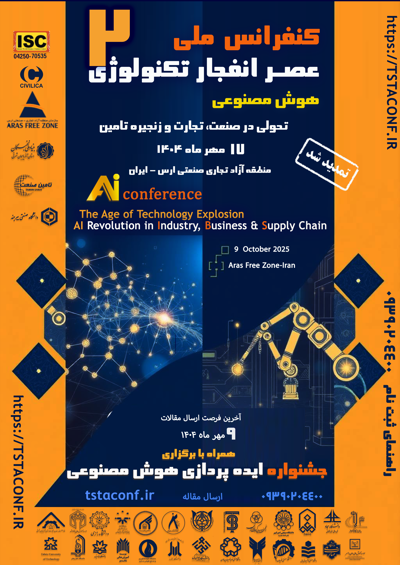
دومین کنفرانس ملی عصر انفجار تکنولوژی؛ هوش مصنوعی، تحولی در صنعت، تجارت و زنجیره تامین و دومین کنفرانس ملی علم داده در کاربردهای مهندسی
Adaptive neuro-fuzzy inference system (ANFIS) for prediction the gibbs energy of formation
نویسندگان :
Aboozar Khajeh
1
1- Birjand University of Technology
کلمات کلیدی :
Acid،Adaptive neuro-fuzzy inference system (ANFIS)،Genetic function approximation (GFA)،Gibbs free energy of formation،Group contribution (GC)،Machine learning
چکیده :
The Gibbs free energy of formation is very important property to predict the feasibility of chemical reactions, calculate equilibrium constants, and analyze reaction spontaneity. In this work, a nonlinear group contribution-based method was developed by combination of adaptive neuro-fuzzy inference system (ANFIS) and group contributions (GC) methods. In order to obtain simple and accurate model for prediction the gibbs free energy of formation of acid compounds, the genetic function approximation (GFA) method was used for selection the most important functional groups. The required parameters of the models are the numbers of occurrences of three functional groups in each investigated acid molecule, which can be computed based on chemical structure of any acid molecule. Using the ANFIS method the gibbs free energy of formation predicted with high accuracy and reliability that are quantified by the following statistical parameters: the squared correlation coefficient (R2) = 0.978, absolute average relative deviation percent (AARD %) =3.977, and the root mean squares error (RMSE) = 26.932. In general, the results obtained in this work showed that the ANFIS-GC could be a promising machine learning approach to predict the gibbs free energy of formation, or possibly other physiochemical properties of acid compounds.
لیست مقالات
لیست مقالات بایگانی شده
کاربرد بیومکانیک و آنالیز راهرفتن در بهینهسازی درمان کودکان مبتلا به فلج مغزی: مرور ادبیات
علی جعفری - علیرضا هاشمی اسکویی - شقایق حسن زاده خانمیری
بررسی تأثیر تعهد استراتژیک و همکاری زنجیره تأمین بر عملکرد عملیاتی و نوآوری
حسن فارسیجانی - ملیکا دهقانی اشکذری
شیوه های حسابداری منابع انسانی و تاثیر آنها بر عملکرد مدیریت
مرضیه ساداتی
راهبرد تجاری و رفتار نامتقارن هزینهها با تاکید بر نقش توانایی مدیریتی شواهدی از شرکتهای پذیرفته شده بورس اوراق بهادار تهران و مسقط
علی انصاری - مهدی بشکوه
Quantum Computing for AI: Current Status and Future Roadmap
Nayereh Majd
بازاندیشی در تحول آموزش و توسعه مهارت در عصر هوش مصنوعی؛ مروری تحلیلی بر تجربه آموزش نوین در ایران
خدیجه سلیمیان ریزی - حسین کاظمی
بررسی جامع تکنیک های مستندسازی هوش مصنوعی در کسب و کار
سعید انور خطیبی
Optimization Dynamic Stability and Energy Efficiency in Human-Like Bipedal Robot Over a Full Gait Cycle
Mahdi Sadeghi - Mostafa Rostami - Soroush Sadeghnejad
کاربرد هوش مصنوعی در ارتقای امنیت اینترنت اشیاء: از الگوریتمهای یادگیری عمیق تا استراتژیهای سازمانی
علی غلام نتاج - محمدعرفان رحمانیان کوشککی - امیدرضا حمیدی نیا - عباسعلی میرزایی فرد
تحلیل بیومکانیکی موقعیت بهینه زاویه چرخش استابولوم پس از جراحی پریاستابولار استئوتومی گنز با مدلسازی سهبعدی و تحلیل المان محدود
سامرند نانوازاده - سروش مداح - سید محمود مدرسی
بیشتر
19 اردیبهشت 1405
راهنمای انتخاب کنفرانس معتبر برای چاپ مقاله علمی
19 اردیبهشت 1405
چرا شرکت در کنفرانسهای علمی برای مصاحبه دکتری اهمیت دارد؟
21 اردیبهشت 1405
پذیرش سریع مقاله در کنفرانسهای علمی مهندسی و فناوری آغاز شد
21 اردیبهشت 1405
آغاز ثبتنام در همایشهای بینالمللی مدیریت و حسابداری
ثمین همایش، سامانه مدیریت کنفرانس ها و جشنواره ها - نگارش 44.7.0